Dubai’s real estate market offers various property ownership options, with freehold and leasehold being the two primary types. Understanding these options is crucial for investors and buyers to make informed decisions.
Freehold Properties
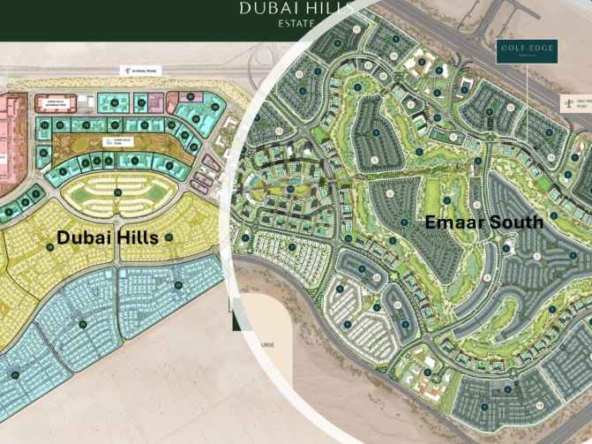
Freehold ownership allows you to own the property and the land it stands on outright. In Dubai, freehold properties are available to both UAE nationals and expatriates, though specific areas are designated as freehold zones where foreigners can purchase property. These zones include popular locations like Dubai Marina, Downtown Dubai, and Dubai Hills Estate.
Advantages of freehold properties include:
Leasehold Properties
Leasehold properties, on the other hand, grant ownership of the property for a specific period, usually ranging from 30 to 99 years. The land remains under the ownership of the original landowner, typically a developer or government entity. Leaseholders have rights similar to those of freehold owners but within the confines of their lease agreement.
Advantages of leasehold properties include:
Affordability: Leasehold properties often come at a lower initial cost compared to freehold properties, making them more accessible to a wider range of buyers.
Prime Locations: Leasehold properties can be found in highly sought-after areas where freehold options might be limited. Investment Opportunities: Leasehold can be a good entry point for investors looking to enter Dubai’s property market with a lower financial commitment.
Conclusion!
Choosing between freehold and leasehold properties in Dubai depends on your investment goals, budget, and desired level of control. Freehold properties offer full ownership and long-term security, while leasehold properties provide a more affordable entry into prime locations. Understanding the key differences between these ownership types will help you make the best decision for your real estate investment in Dubai.